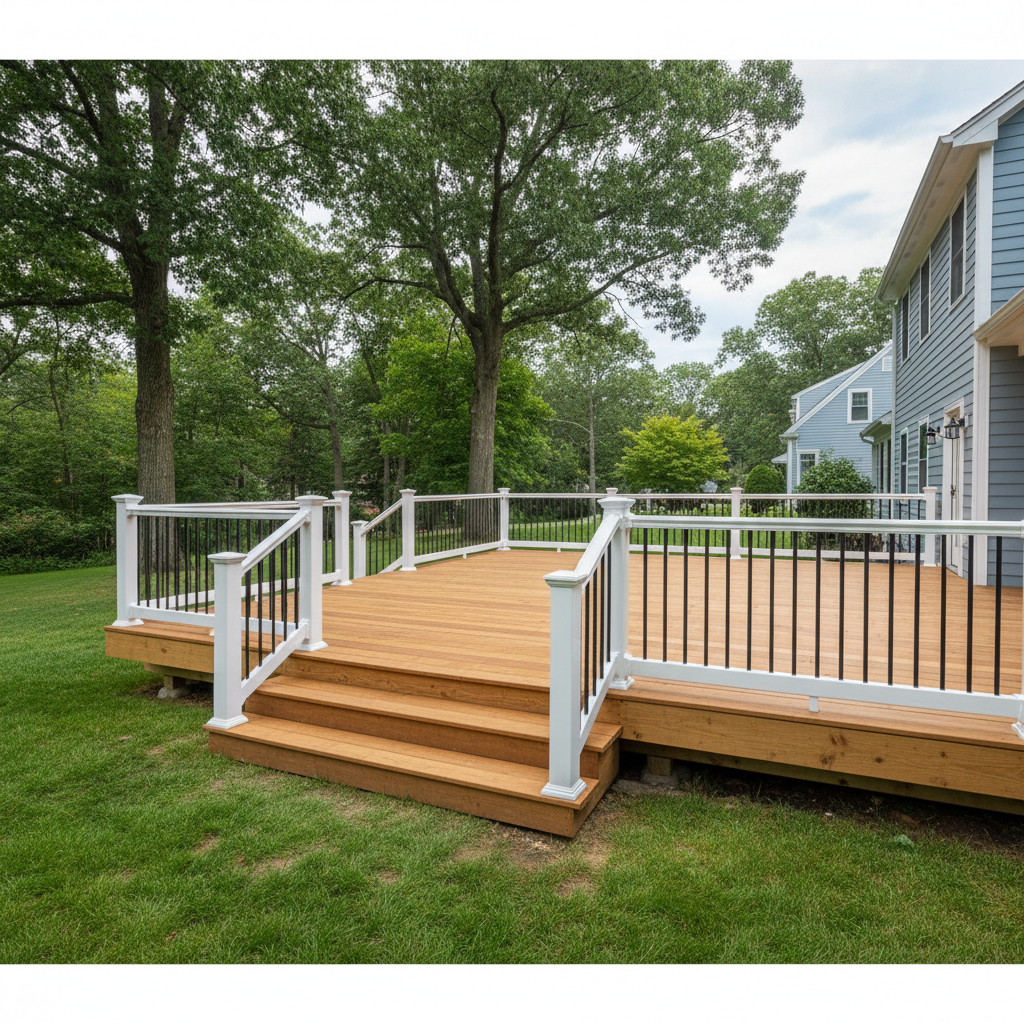
You put good money into that deck, whether I built it or someone else did. The last thing anyone wants is for it to rot out or become unsafe after just a few years, right? Here in Warwick, our climate can be pretty rough on outdoor structures. We get those humid summers, heavy winter snow loads, and plenty of freeze-thaw cycles that really put a deck to the test. But with just a little effort, you can absolutely make it last longer and keep it looking great.
Regular Maintenance: Your Deck's Best Friend
Think of your deck like your car. You wouldn't skip oil changes, would you? It's the same deal for your deck. Regular, simple maintenance makes a huge difference.
- Clean it Annually: This is a big one. Dirt, mildew, and algae don't just look bad; they hold moisture against the wood. That's basically an open invitation for rot. I suggest a good scrub down every spring. You can use a deck cleaner made for whatever material you have – wood, composite, you name it. For wood, a stiff brush and some elbow grease usually do the trick. For composites, often just plain old soap and water works. Just be careful with pressure washers; too much pressure can damage wood fibers or composite surfaces. If you're not sure, keep the nozzle moving and don't get too close.
- Check Fasteners: Screws and nails can work their way loose over time, especially with all the expanding and contracting decks go through. Walk around and give everything a visual check. If you spot a nail popping up, hammer it back down. If a screw is loose, tighten it. Sometimes, swapping out a loose screw with a slightly longer one can fix the problem for good.
- Clear Debris: Leaves, pine needles, and other organic stuff just love to pile up between deck boards or in corners. These trap moisture, and that's exactly what we're trying to avoid. Sweep your deck regularly, especially after a storm or in the fall. Make sure water can drain freely.
- Seal or Stain Wood Decks: If you've got a wood deck, this is absolutely critical. A good quality stain or sealant protects the wood from UV damage and moisture. Most products suggest reapplying every 2-3 years, depending on how much sun it gets. You'll know it's time when water stops beading up on the surface. Seriously, don't skip this step. It's your deck's main defense against rot and splintering.
Warning Signs You Shouldn't Ignore
Sometimes, problems just sneak up on you. Knowing what to look for can save you a lot of headache and money down the road.
- Soft Spots or Spongy Feel: If you're walking across your deck and a board feels soft or spongy, that's a major red flag for rot. Don't ignore it. Probe it with a screwdriver. If the wood gives easily, it's compromised and needs attention.
- Cracks or Splitting: Small surface cracks are normal with wood, but deep, long cracks can signal structural issues or that it's drying out too much. Splintering also means the wood isn't protected like it should be.
- Loose Railings or Posts: Give your railings a good shake. If they wobble, that's a safety hazard, plain and simple. Posts coming loose from their footings or joists are also a serious concern. This is especially important if your deck is elevated, of course.
- Fungus or Mold Growth: Beyond just surface mildew, if you see actual mushroom-like growths or a lot of black mold, it means there's a serious moisture problem and probably rot underneath.
- Sagging or Uneven Surfaces: If your deck boards are sagging, or the whole deck just doesn't look level anymore, that's a sign of structural failure. Joists might be failing, or the support posts could be shifting.
- Pest Damage: Termites and carpenter ants just love damp wood. Keep an eye out for sawdust-like frass or small holes.
I've seen plenty of decks, especially in older neighborhoods like Gaspee Point where they've been exposed to the bay's moisture for decades, that really start showing these signs if they haven't been kept up. It's not just about aesthetics; it's about safety.
When to Call a Professional (Like Busy Bee Decks)
Look, some things you can definitely handle yourself. Cleaning, tightening a few screws, maybe even a fresh coat of stain. But there are times when you really need to bring in someone who knows what they're doing.
- Extensive Rot: If you find widespread rot in multiple boards, joists, or posts, that's beyond a DIY fix. Replacing structural components takes expertise to make sure the deck stays safe and up to code.
- Structural Issues: Any sagging, significant wobbling, or shifting of the main support structure means you need a pro. This isn't just about replacing a board; it's about the integrity of the entire deck.
- Permit Requirements: If the repair involves replacing a big chunk of the deck's structure, or changing its footprint, you might need a permit. I can help you figure that out.
- Pest Infestations: While I don't handle pest control myself, I can assess the damage and work with a pest control company to repair or replace compromised wood once the pests are gone.
- You're Unsure: Honestly, if you're looking at something and just don't feel confident, call me. It's better to get a professional opinion than to guess and potentially compromise your deck's safety or lifespan.
Don't wait until a small problem turns into a huge, expensive headache. A little proactive care goes a long way in keeping your Warwick deck safe and enjoyable for years to come. If you've got questions or see something concerning, give Busy Bee Decks a call. I'm always happy to take a look.