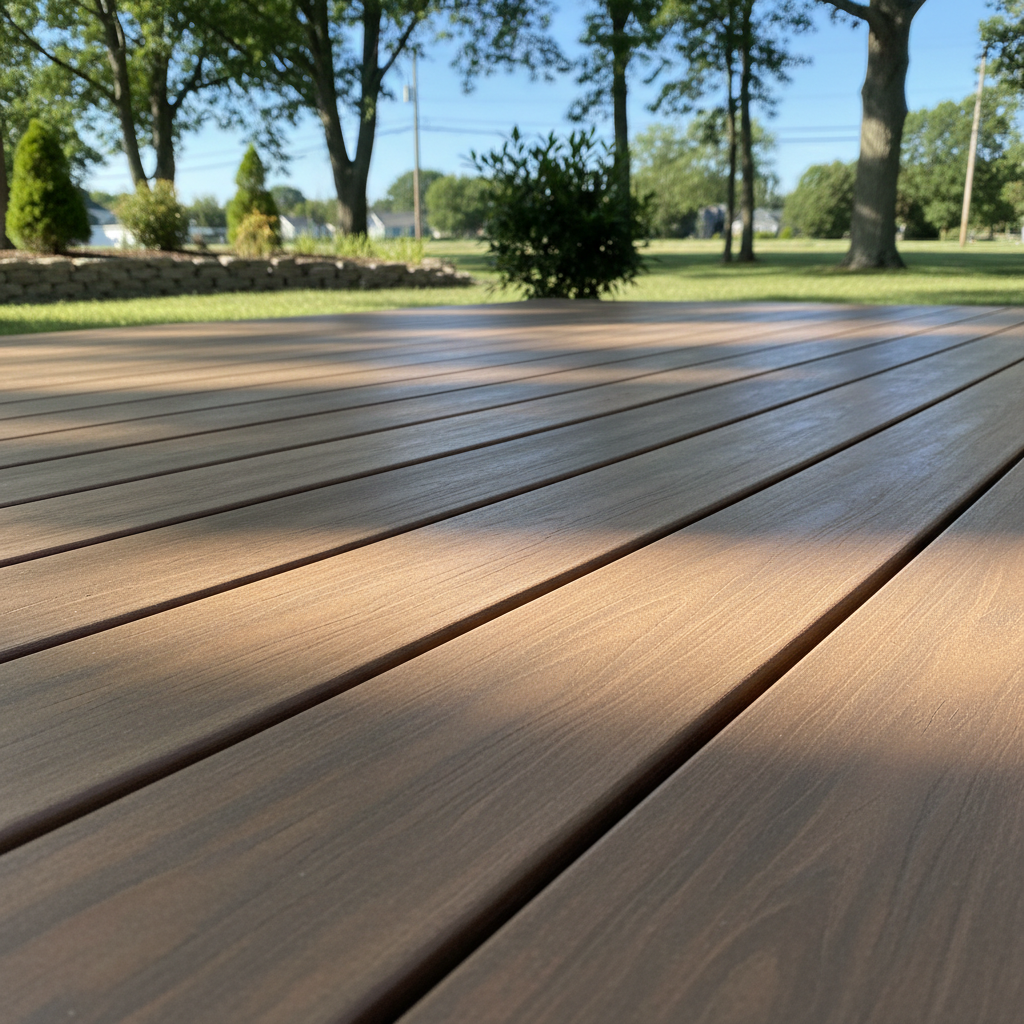
Thinking Composite Deck? Here's the Deal.
So, you're looking at composite decking for your Warwick home. Good choice. It's tough, looks great, and frankly, it's a lot less fuss than wood. But before you dive in, there are a few things you really ought to know. I've been building decks around here for years, and I've seen it all – the good, the bad, and the downright ugly.
First off, let's talk about what composite actually is. It's not wood, not entirely. It's usually a mix of wood fibers and recycled plastic. That blend gives you the best of both worlds: the look and feel of wood without the rot, splinters, or constant staining. You're going to pay more upfront for composite than for pressure-treated lumber, no doubt about it. But think about the long game. You won't be sanding and staining every couple of years, which saves you time, money, and a whole lot of backache.
Before You Start: Planning and Permits
Alright, you're sold on composite. What's next? Planning. This is where a lot of folks mess up. You can sketch out your dream deck all you want, but you've got to consider the practical stuff. How big can it be? Where will it sit in relation to your house and yard? What about drainage? Around here, especially with our heavy spring rains, you don't want water pooling up against your foundation.
Then there's the permit. Don't skip this. Seriously. The City of Warwick building department isn't messing around. You'll need plans, sometimes even stamped by an engineer depending on the complexity. If you're just replacing an existing deck with the same footprint and structure, you might have an easier time, but always check. Building without a permit can lead to fines, tearing down your work, and headaches you just don't need. This is definitely a 'call a pro' step if you're not comfortable navigating blueprints and city hall.
Also, think about your existing foundation. If your current deck footings are old or not up to code, you'll need to upgrade them. Rhode Island frost lines are no joke; you need proper footings deep enough to prevent heaving.
During the Build: DIY vs. Pro
This is where the rubber meets the road. Can you build a composite deck yourself? Maybe. If you're handy with tools, understand basic carpentry, and have a good helper, you can probably tackle a simple, ground-level deck. Here's what you'll need to be good at:
- Framing: This is the skeleton of your deck. It needs to be level, square, and strong. Composite boards are heavier than wood, so your framing needs to be solid and spaced correctly according to the manufacturer's specs.
- Cutting: Composite cuts like wood, but you'll want good blades. You'll also need to be precise, especially with picture-frame borders or angled cuts.
- Fastening: Most composite decks use hidden fasteners. These clips slide into grooves on the side of the boards and screw into the joists, giving you a clean, screw-free surface. They take a little more time than face-screwing, but the look is worth it.
Now, when should you call someone like Busy Bee Decks? If your deck is elevated, attached to your house, or involves complex angles, stairs, or railings, that's pro territory. An elevated deck has serious structural requirements. Mistakes here aren't just ugly; they're dangerous. Getting the ledger board properly attached to your house, ensuring proper flashing to prevent water intrusion – these are critical steps that require experience.
Also, if you value your weekends and don't want to spend months on a project, a pro can get it done efficiently. We've got the tools, the crew, and the know-how to make it happen right, the first time.
After the Project: Enjoying Your Deck
The best part about composite? The 'after' is pretty easy. You don't have to stain it, you don't have to seal it. Just clean it. A good scrub with soap and water, maybe a pressure washer on a low setting (check your manufacturer's recommendations first!), will keep it looking fresh. You'll want to sweep off leaves and debris regularly, especially after a blustery fall, to prevent mildew from forming. That's about it.
Keep an eye on your railings and stairs, just like any deck. Make sure everything's still solid. If you notice any loose boards or wobbly railings, address them quickly. That's just good homeowner sense.
Composite decks are a fantastic investment for homeowners in Warwick. They add value, look great, and let you spend more time enjoying your backyard and less time on maintenance. Just make sure you go into it with your eyes open, whether you're tackling it yourself or bringing in the pros.
Need a Hand?
Got questions about your specific deck project? Don't hesitate to reach out. We're always happy to talk through your options and give you an honest assessment.